Products
HotSpot Manager | Lawful Intercept Module | Cluster Module | PMS Module | Credit Card Module
Lawful Intercept
To comply with the new European directive an internet provider must keep track of the websites visited by the subscriber. This directive implies that a provider has to be able to retrieve who surfed to a specific IP-address / port at a given time.In case of internet abuse on a hotspot, the owner of the hotspot could be accused. That´s why FireDigit developed the Lawful Intercept Module. If necessary, FireDigit´s lawful intercept-module can quickly trace the violator, so the hotspot owner will be covered at all time.
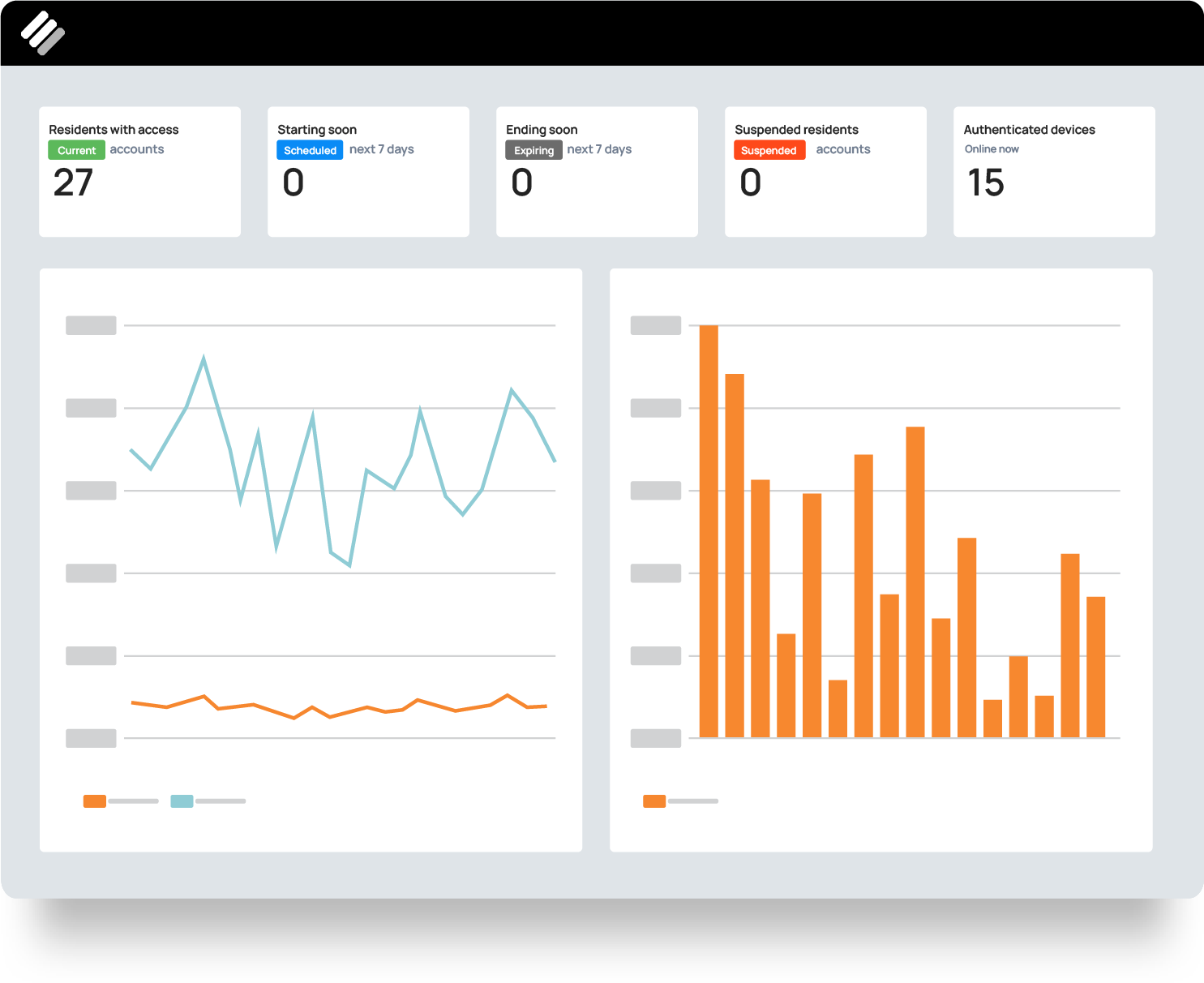
How does it work? The HotSpot Manager consists of reporting feature that reports all user activity at a specific time interval. The Lawful Intercept-module creates a database of IP-adresses visited by every user. Meaning that, for legal reasons, the history (date, time, duration…) of IP-addresses visited, can be traced. Note that only IP-addresses are stored and no content, this is to guarantee the privacy of the subscriber.
Following, you can find a brief summary of the European Directive:
DIRECTIVE 2006/24/EC OF THE EUROPEAN PARLIAMENT AND OF THE COUNCIL of 15 March 2006
on the retention of data generated or processed in connection with the provision of publicly available electronic communications services or of public communications networks and amending Directive 2002/58/EC
This Directive aims to harmonise Member States´ provisions concerning the obligations of the providers of publicly available electronic communications services or of public communications networks with respect to the retention of certain data which are generated or processed by them, in order to ensure that the data are available for the purpose of the investigation, detection and prosecution of serious crime, as defined by each Member State in its national law.
This Directive shall apply to traffic and location data on both legal entities and natural persons and to the related data necessary to identify the subscriber or registered user. It shall not apply to the content of electronic communications, including information consulted using an electronic communications network.
Member States shall adopt measures to ensure that data retained in accordance with this Directive are provided only to the competent national authorities in specific cases and in accordance with national law.
Categories of data to be retained:
This Directive shall apply to traffic and location data on both legal entities and natural persons and to the related data necessary to identify the subscriber or registered user. It shall not apply to the content of electronic communications, including information consulted using an electronic communications network.
Member States shall adopt measures to ensure that data retained in accordance with this Directive are provided only to the competent national authorities in specific cases and in accordance with national law.
Categories of data to be retained:
- data necessary to trace and identify the source of a communication
- data necessary to identify the destination of a communication
- data necessary to identify the date, time and duration of a communication
- data necessary to identify the type of communication